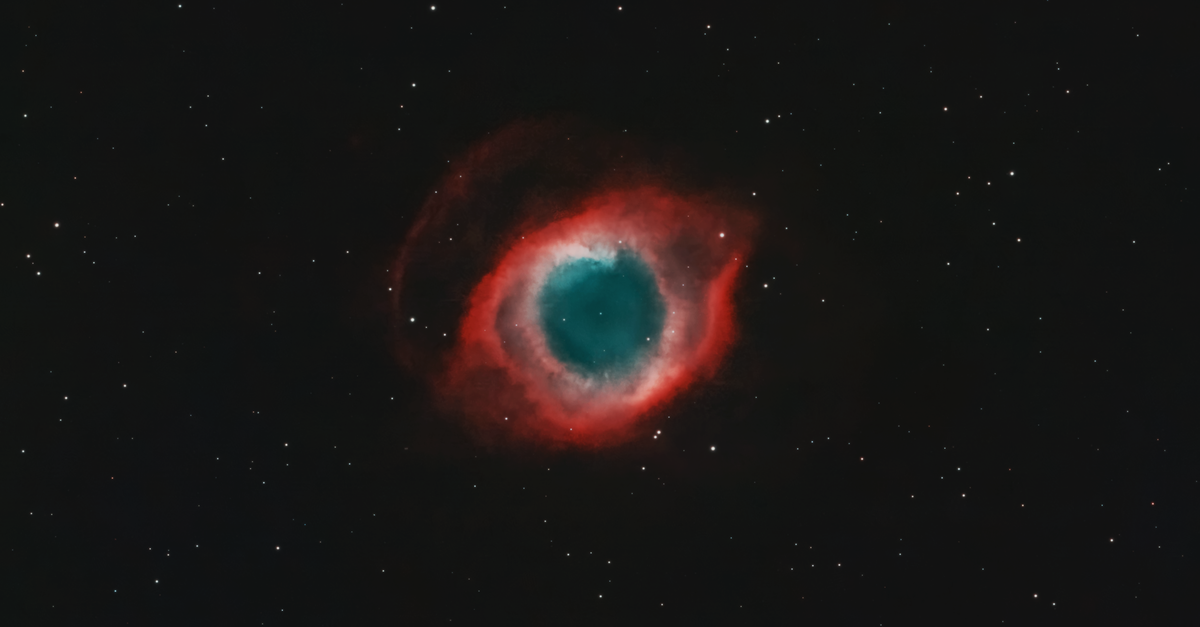
Hubble Space Telescope observations are challenging the idea that winds from supernovae played a leading part in cosmic reionization, according to Phys.org. The findings were reported on Wednesday, October 21, 2026.
Cosmic reionization is the period when the universe's neutral hydrogen was stripped of its electrons by energetic radiation. A long-standing explanation holds that supernova-driven galactic winds cleared gas out of galaxies, allowing ultraviolet light to escape and do that work. The new Hubble results call that picture into question, Phys.org reports.
The reporting points to related research published in Nature on Lyman continuum escape during the onset of galactic winds in compact starbursts. That work examines how ionizing radiation leaves galaxies as winds begin, a process central to the reionization question.
Phys.org's summary does not detail the specific measurements behind the challenge, so the precise mechanism the observations favor remains unclear from the available material. What the coverage does establish is that the supernova-wind explanation is now being tested against direct observational evidence rather than assumed.
The topic matters because reionization marks a major transition in the universe's history, and identifying which sources provided the needed radiation shapes models of how early galaxies evolved. If supernova winds are not the main channel for letting light escape, researchers will need to account for other routes.
Watch for follow-up analysis comparing the Hubble data with the Nature study's findings on compact starbursts, and for whether other observatories weigh in on the escape of ionizing radiation from early galaxies.